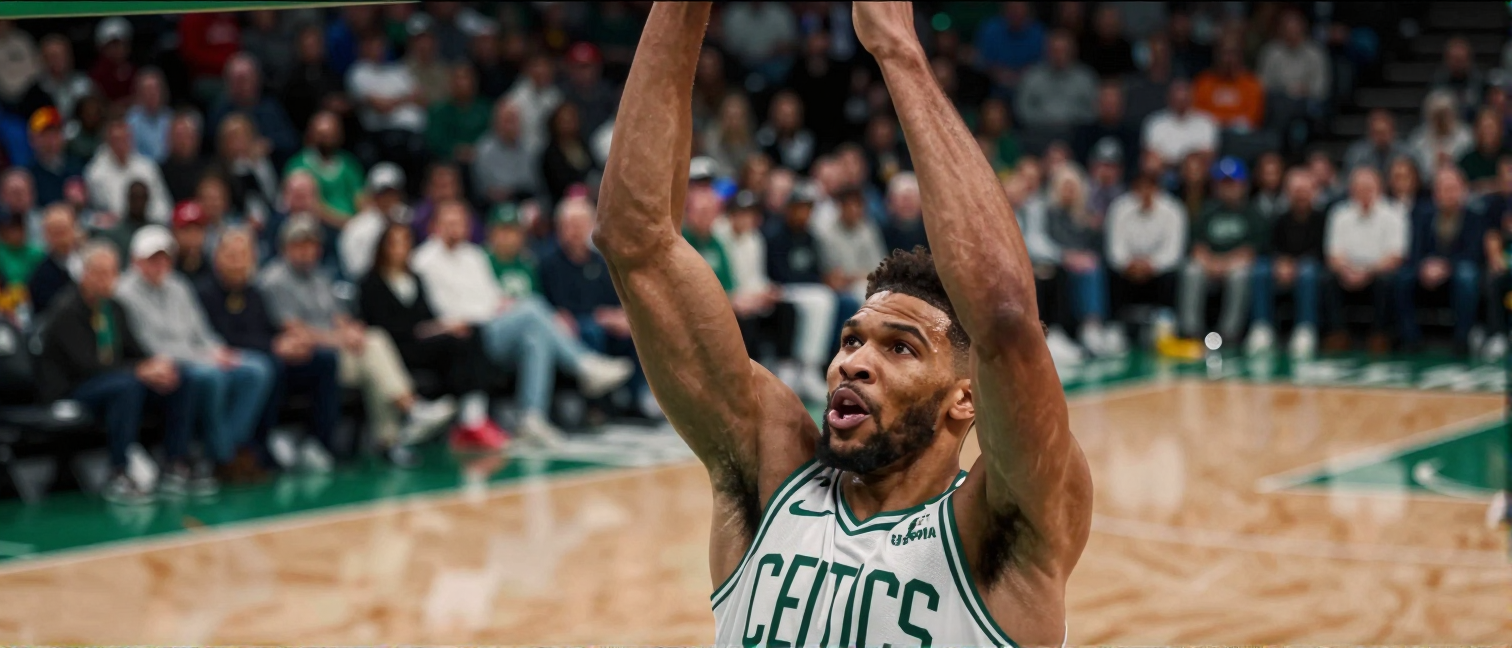
Giannis Antetokounmpo was at the center of Boston Celtics’ offseason strategy when Brad Stevens explained the decision to trade Jaylen Brown to Philadelphia on 30 Jun 2026. The Celtics weighed a blockbuster pairing of Jayson Tatum with Giannis, but ultimately opted for Paul George, two first‑round picks and swap rights, keeping 70 % of their cap tied to Tatum.
Why Giannis entered the Celtics’ trade conversation?
Stevens said the league’s evolving salary‑cap landscape forced Boston to consider how much of their payroll could hinge on two superstars. Giannis’ contract mirrors Brown’s remaining term, meaning a Tatum‑Giannis combo would lock 70 % of the cap for several more years. The Celtics feared that lack of flexibility could hinder depth building, a priority after recent playoff runs.
What made the Bucks reject Boston’s offer?
According to insiders, Boston’s proposal fell short of Miami’s, largely because the Celtics hesitated to add role players Hugo Gonzalez and Baylor Scheierman to sweeten the deal. The Bucks, aware of their own cap constraints, chose the Heat’s package, leaving Boston without the Greek star. Stevens noted the Bucks “were never going to take Boston’s offer over Miami’s,” underscoring the importance of draft assets in the final decision.
How does the Brown‑George trade reshape Boston’s roster?
The trade sends Jaylen Brown to the 76ers for Paul George, two first‑round picks (including 2028) and second‑round swap rights. By swapping Brown’s longer contract for George’s one‑year‑shorter deal, Boston gains a year of cap relief while preserving Tatum’s max‑type salary. Stevens emphasized that depth, not a single superstar, will define the Celtics’ championship window.
What does this mean for Giannis’ future?
While Giannis remains with Milwaukee, the episode shows how his contract length influences league‑wide negotiations. Teams now view his deal as a benchmark for evaluating long‑term cap risk. Boston’s admission that a Tatum‑Giannis duo would have been “challenging” signals that future suitors may need to craft creative, multi‑player packages to lure the Greek Freak.
The Celtics’ decision reflects a broader NBA trend: balancing elite talent with roster flexibility. By keeping Tatum and adding George, Boston hopes to stay competitive without over‑committing to a single player’s contract. Giannis, though not moving, proved his market power can reshape even the most storied franchises.